

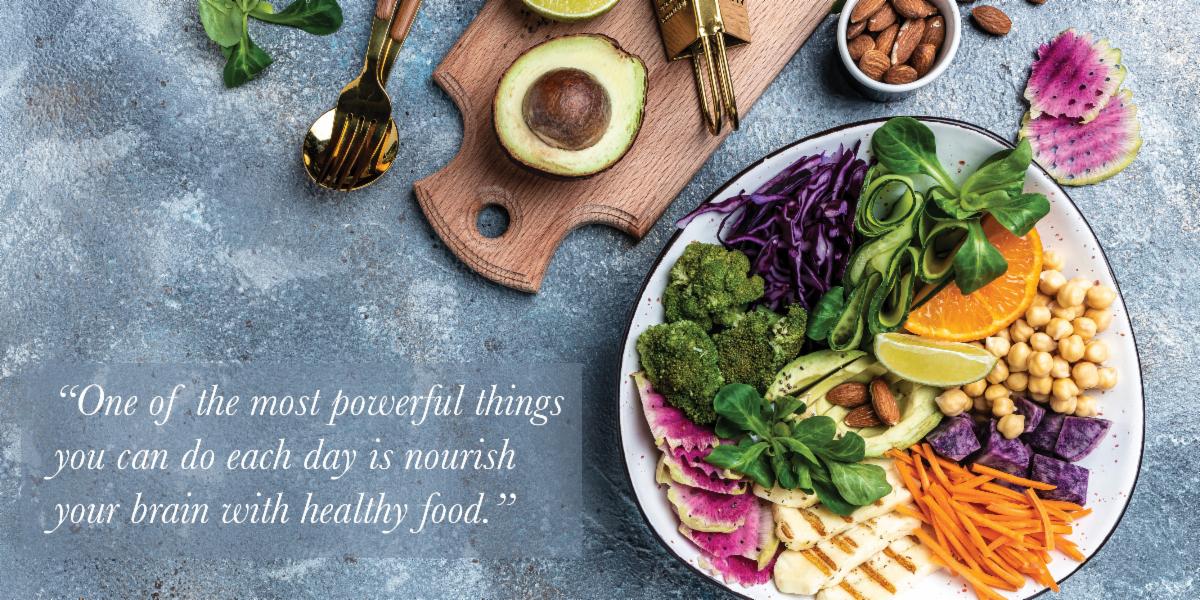
Recovery is about much more than stopping drugs or alcohol; it’s about helping your mind and body heal. If you’re in recovery, one of the most powerful things you can do each day is nourish your brain with healthy food.
Substance use changes the brain. It affects the parts responsible for decision-making, memory, motivation, emotions, and pleasure. That’s why it’s common in early recovery to feel tired, anxious, depressed, forgetful, or unable to concentrate. The good news is that your brain has an amazing ability to heal. This process takes time, but the foods you eat can help support your recovery.
Think of food as fuel for your brain. Every healthy meal provides nutrients that help repair cells, make important brain chemicals, and restore energy. While there isn’t a single “recovery diet,” eating balanced meals can help improve your mood, reduce fatigue, and support clearer thinking.
Start with Protein
Protein helps your brain make neurotransmitters: chemical messengers like dopamine and serotonin that affect mood, motivation, and emotional balance. Good choices include:
- Eggs
- Chicken or turkey
- Fish
- Greek yogurt
- Beans and lentils
- Tofu
- Nuts and seeds
Try to include a source of protein with every meal or snack to help keep your energy steady throughout the day.
Feed Your Brain Healthy Fats
Healthy fats, especially omega-3 fatty acids, help build and protect brain cells. They may also reduce inflammation and support memory and concentration.
Choose foods like:
- Salmon
- Sardines
- Tuna
- Walnuts
- Chia seeds
- Flaxseed
- Avocados
Choose Foods That Give Lasting Energy
Sugary foods can cause your blood sugar to rise quickly and then crash, leaving you feeling tired, irritable, or craving more sugar. Whole grains and other complex carbohydrates provide longer-lasting energy.
Try:
- Oatmeal
- Brown rice
- Whole-grain bread
- Sweet potatoes
- Quinoa
Eat the Rainbow
Brightly colored fruits and vegetables contain antioxidants that help protect your brain while it heals.
Fill your plate with foods like:
- Blueberries
- Strawberries
- Spinach
- Broccoli
- Bell peppers
- Oranges
- Tomatoes
The more color on your plate, the more nutrients you’re getting.
Don’t Forget Water
Your brain needs water to function well. Dehydration can make you feel tired, dizzy, or have trouble concentrating.
Aim to drink water throughout the day, especially if you’re active or spending time outdoors.
Your Gut Helps Your Brain
Scientists have learned that your gut and brain are closely connected. Eating foods that support healthy digestion may also help improve mood and overall well-being.
Include foods like:
- Yogurt with live cultures
- Kefir
- Beans
- Fresh fruits
- Vegetables
- Whole grains
It’s Okay to Crave Sugar
Many people in early recovery notice they crave sweets. This is common, especially after stopping alcohol or stimulants. Your brain is adjusting, and sugar may temporarily activate some of the same reward pathways that drugs or alcohol once did.
Instead of feeling guilty, try healthier options like fruit, yogurt, nuts, or a small piece of dark chocolate. The goal isn’t perfection, it’s making healthier choices often.
Progress, Not Perfection
You don’t have to eat perfectly to heal. Start with small changes:
- Eat breakfast every day.
- Don’t skip meals.
- Add one serving of vegetables to lunch or dinner.
- Keep healthy snacks nearby.
- Cook simple meals when you can.
- Ask for help if buying or preparing food is difficult.
Every healthy choice is an investment in your recovery.
Recovery Is a Whole-Person Journey
Food alone won’t heal addiction, but it can help your body and brain recover alongside counselling, support groups, medication when needed, exercise, and good sleep.
Be patient with yourself. Your brain didn’t change overnight, and it won’t heal overnight either. Every day you stay in recovery and nourish your body is another step toward clearer thinking, better health, and a stronger future.
Remember: Recovery isn’t just about avoiding what harms you, it’s also about choosing what helps you thrive. Every nutritious meal is another way to care for yourself and support the life you’re building.