

Many individuals facing addiction struggle with overwhelming stress, emotional pain, anxiety, or difficult life circumstances. Without healthy coping tools or support, substance use can become part of an unhealthy pattern that negatively impacts physical health, mental well being, relationships, and overall quality of life.
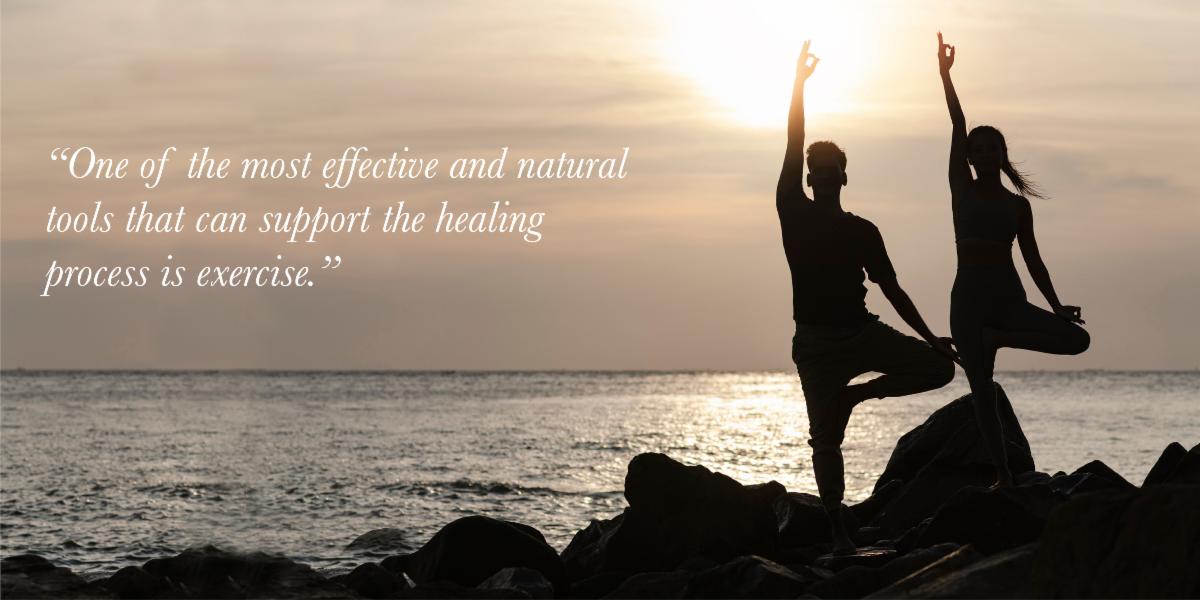
Recovery involves learning healthier ways to manage stress and emotions while rebuilding both the mind and body. One of the most effective and natural tools that can support this healing process is exercise.
Staying active helps improve focus, relieve stress, and create a sense of routine, which can be especially valuable during the recovery process. Movement encourages the brain to produce natural chemicals that help improve mood, promote relaxation, and increase overall feelings of well being.
Regular physical activity may also help:
- Ease feelings of anxiety and depression
- Improve sleep and daily energy levels
- Strengthen self confidence
- Increase mental clarity and focus
- Reduce feelings of restlessness
- Support healthier coping habits
Even simple activities like walking, stretching, or spending time outdoors can have a positive impact on mental and emotional health.
Substance use can affect how the brain handles emotions, motivation, and stress. As the body and mind begin to heal during recovery, exercise can help support that process in healthy and productive ways. Over time, regular movement may help individuals feel more balanced, motivated, and connected to their overall wellness journey.
Exercise also provides another important element in recovery: structure. Creating a routine around movement, helps fill time with healthy activities and reduces boredom, which can often contribute to relapse.
Fitness goals can also restore a sense of accomplishment and progress. Every workout, walk, or moment of movement becomes a reminder that positive change is possible.
There is no perfect exercise plan for recovery. The best form of movement is one that feels enjoyable, manageable, and sustainable. Some people may enjoy strength training, running, swimming, cycling, yoga, dancing, team sports, or hiking outdoors. For others, simply getting outside and moving regularly is enough to begin experiencing the benefits.
While exercise can be an incredibly valuable part of recovery, balance is important. Recovery is about building a healthy lifestyle, not replacing one unhealthy habit with another. Listening to the body, allowing time for rest, and prioritizing emotional wellness are all essential parts of sustainable healing.
Recovery is not just about avoiding substances. It is about learning how to live well. Exercise provides a healthy outlet for stress, supports mental health, and offers a positive path toward rebuilding physical and emotional strength.
Every step, stretch, and workout is a reminder that healing is possible. Sometimes, the road to recovery begins by simply moving forward.